
 Facebook
 X
X
 Pinterest
 Copy Link
Moving to Clayton, NC: The Ultimate 2026 Local Guide
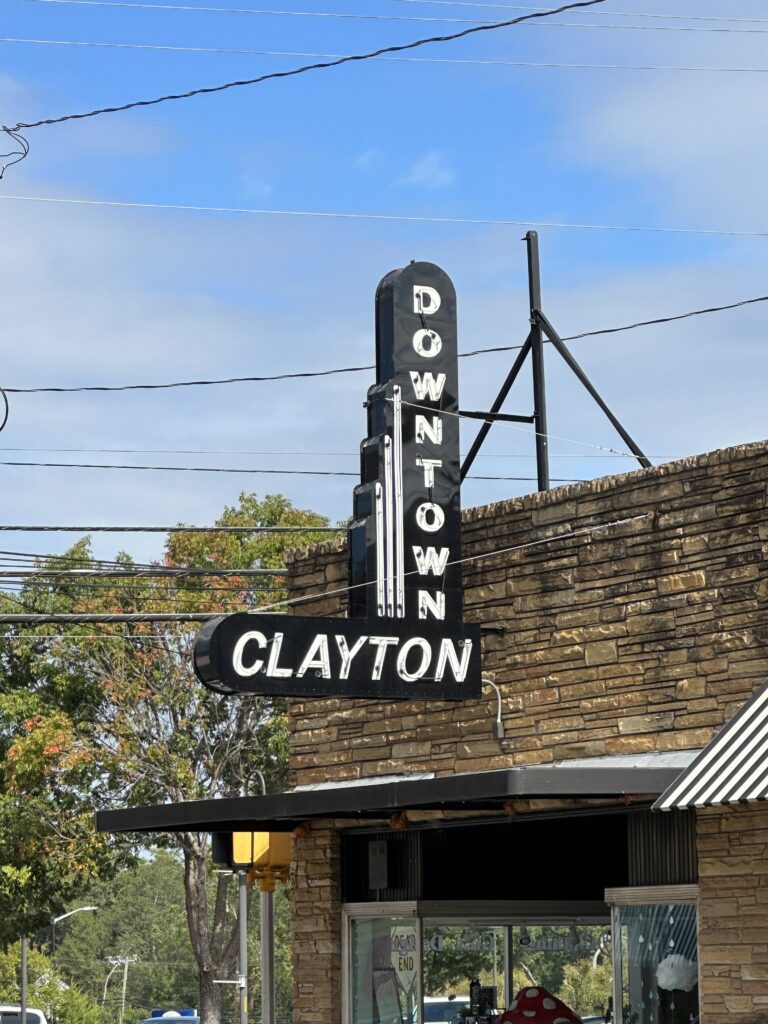
Looking for More Space and Lower Taxes? Your Ultimate 2026 Guide to Moving to Clayton, NC
Thinking of moving to Clayton, NC? While national real estate portals offer generic maps and automated data dumps, they miss the true pulse of this fast-growing Johnston County gem. They can’t describe the vibrant community energy at a Main Street food truck rodeo, the smell of fresh wood-fired pizza at Crawford Cookshop, or the seamless blend of historic Southern charm and booming economic opportunity. Clayton has officially transitioned from a quiet Raleigh bedroom community into a highly sought-after destination with its own thriving economy, top-tier schools, and an unmatched quality of life that protects your hard-earned real estate investment.
The Economics of Clayton: More Space, Fewer Taxes
For years, home buyers have chosen Johnston County over neighboring Wake County for a simple reason: more home for your dollar. While Clayton offers seamless access to Downtown Raleigh via I-40 and the newly completed Triangle Expressway (NC-540) extension, it operates under a highly favorable economic climate.
The Johnston County Board of Commissioners recently enacted a property tax rate reduction down to 52 cents per $100 of assessed value, keeping more cash in your wallet every single month.
This growth is driven by a massive local job engine. Clayton is a global heavyweight for life sciences, anchored by a historic $4.1 billion Novo Nordisk manufacturing campus expansion and a sprawling Grifols facility. These local employers bring high-paying jobs directly to our backyard, insulating the local economy and driving steady, predictable property appreciation.
Deciphering the 2026 Housing Market
The frantic bidding wars of the early 2020s have stabilized into a remarkably healthy, balanced real estate market.
- Median Sales Price: Holds steady around $350,000, offering an incredible price-per-square-foot advantage compared to Raleigh or Cary.
- Days on Market (DOM): Averages 44 to 54 days, giving buyers breathing room to negotiate seller concessions (like temporary interest rate buy-downs) and complete thorough inspections.
- Sale-to-List Ratio: Hovers at 98.7%, meaning sellers who price accurately are capturing almost all of their equity, while buyers aren’t forced to wildly overpay.
Choosing Your Vibe: Clayton’s Premier Neighborhoods
Because a generic search engine can’t tell you what a neighborhood actually feels like, let’s look at three of Clayton’s most distinct communities.
Glen Laurel: Custom Living on the Fairway
If you want mature hardwood trees, custom architecture, and manicured landscapes, Glen Laurel is the gold standard. Built around the Neuse Golf Club and bordering the Neuse River, this master-planned neighborhood is perfect for buyers seeking larger lots and an upscale, traditional neighborhood feel.
Riverwood Athletic Club: The Ultimate Family Amenity Hub
For active households who want everything right out their front door, Riverwood is a major draw. It features indoor and outdoor pools, an expansive fitness center, on-site schools, and a small village retail shops area right inside the community.
Walkable Downtown Clayton: Historic Charm & Urban Energy
If you prefer a historic front porch over a suburban cul-de-sac, the streets surrounding Main Street are highly desirable. Living downtown means walking to Deep River Brewing Company for a Friday night flight, grabbing morning coffee at Boulevard West, and leaving your car keys on the counter.
Quick Neighborhood Comparison Matrix
| Neighborhood | Lifestyle Vibe | Median Price Point | Standout Local Asset |
| Glen Laurel | Upscale, Custom, Golf-Centric | ~$465,000 | Neuse Golf Club & River Trails |
| Riverwood Athletic Club | Master-Planned, Active Family | ~$332,000 | Massive Fitness & Aquatics Center |
| Downtown Clayton | Walkable, Historic, High Energy | ~$336,000 | Direct walk to Main Street Dining |
Deep-Dive: Your Relocation Checklists & Market Resources
Navigating a move requires accurate, boots-on-the-ground resources. To explore specific listings within these communities, view our curated directory of Available Homes for Sale NC. If you are specifically mapping out your morning commute toward the Research Triangle Park (RTP) or downtown medical centers, bookmark our Johnston County Commuter & Transit Guide to calculate precise travel times along the US-70 Business corridor.
For professionals looking to scale their real estate careers in this booming market, this level of local expertise is exactly what we cultivate. At Century 21 New Beginnings, we give our agents the modern tech tools and local market leadership necessary to guide clients with total authority.
🏡 Your New Beginning Starts Here
Moving to a new town shouldn’t rely on an internet algorithm. Whether you need a precise valuation of your current home’s equity or a curated tour of Clayton’s best-kept neighborhood secrets, our local experts are here to help.
Ready to talk strategy? Contact a Century 21 New Beginnings Expert Today for a complimentary, low-pressure market consultation or a personalized home valuation. Let’s turn your real estate goals into reality.
Common Home Selling Mistakes – Avoid costly home selling mistakes. Learn expert tips from Century 21 New Beginnings to sell faster and maximize your home’s value.
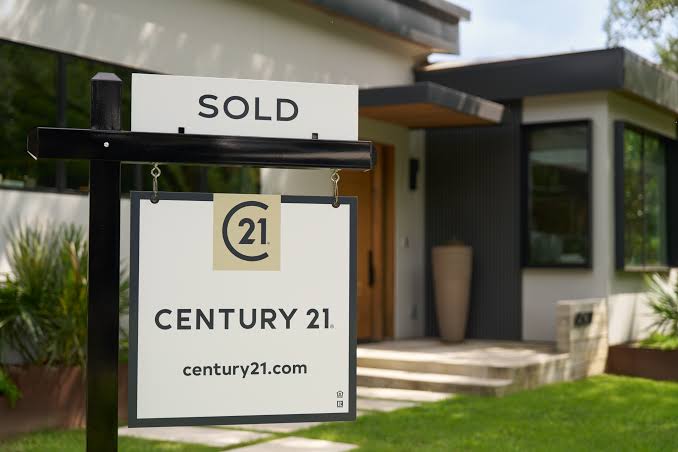
Common Home Selling Mistakes in North Carolina (And How to Avoid Them)
Selling your home is one of the biggest financial decisions you’ll make, and even small mistakes can cost thousands of dollars or lead to unnecessary delays. Whether you’re selling a home in Clayton, Raleigh, Greenville, Goldsboro, New Bern, or anywhere across Eastern North Carolina, understanding your local market is just as important as preparing your home.
Unlike national real estate websites, local markets don’t all behave the same way. A pricing strategy that works in Wake County may not work in Johnston County, and buyer expectations in Pitt County can differ from those in Craven County.
At Century 21 New Beginnings, we help North Carolina homeowners navigate every step of the selling process with local expertise, personalized guidance, and proven marketing strategies.
Why Local Market Knowledge Matters
North Carolina’s housing market varies significantly from one community to another.
For example:
| Area | What Sellers Should Know |
| Clayton & Johnston County | Continued population growth and commuters traveling via I-40 and US-70 create steady buyer demand. |
| Raleigh & the Triangle | Buyers expect move-in-ready homes and often compare multiple listings quickly. |
| Greenville (Pitt County) | Healthcare professionals and ECU-related buyers influence seasonal demand. |
| Goldsboro (Wayne County) | Military relocation through Seymour Johnson Air Force Base can affect buying activity. |
| New Bern (Craven County) | Lifestyle, waterfront appeal, and historic charm attract a mix of retirees and relocation buyers. |
Understanding who is buying in your local market helps determine pricing, staging, and marketing strategies.
1. Pricing Your Home Too High
One of the biggest selling mistakes in NC is assuming today’s market means every home will receive multiple offers.
While North Carolina remains a desirable place to live, buyers are paying close attention to value.
Why overpricing hurts
When a home sits on the market:
- Buyers begin wondering what’s wrong with it.
- Competing homes receive more attention.
- Price reductions often become necessary.
- Sellers may ultimately receive less than if the home had been priced correctly from the beginning.
Key takeaway: The first few weeks on the market typically generate the most buyer interest.
2. Ignoring Local Buyer Expectations
Every market has different priorities.
For example:
Buyers around Clayton and Johnston County often look for:
- Easy access to I-40
- Commutes to Raleigh
- Family-friendly neighborhoods
- Outdoor amenities like the Clayton River Walk on the Neuse
Buyers in Greenville may prioritize:
- East Carolina University proximity
- Healthcare employment
- Updated kitchens
- Home offices
Buyers relocating from out of state often value:
- Energy-efficient homes
- New roofs or HVAC systems
- Low-maintenance landscaping
- Storage space
Understanding your target buyer allows your home to be marketed more effectively.
3. Skipping Repairs That Buyers Notice
Many sellers believe buyers won’t care about small cosmetic issues.
In reality, little problems create the impression that larger maintenance issues may exist.
Common examples include:
- Peeling paint
- Leaky faucets
- Damaged flooring
- Loose door handles
- Dirty grout
- Missing light fixtures
These inexpensive fixes can significantly improve first impressions.
4. Neglecting Curb Appeal
Your home’s exterior creates the first impression long before buyers step inside.
Fortunately, improving curb appeal doesn’t always require a large budget.
Simple improvements include:
- Fresh mulch
- Pressure washing
- Trimmed landscaping
- Fresh front door paint
- Clean windows
- Seasonal flowers
Neighborhoods throughout Johnston County and Wake County often compete closely on appearance, making curb appeal especially important.
5. Using Poor Listing Photos
Today’s buyers almost always begin their home search online.
If your listing photos don’t capture attention immediately, many buyers will simply move on.
Professional photography should showcase:
- Natural lighting
- Spacious rooms
- Outdoor living spaces
- Updated kitchens
- Primary suites
- Unique property features
At Century 21 New Beginnings, professional marketing helps ensure your home stands out from competing listings.
6. Failing to Declutter and Stage
Buyers want to imagine themselves living in your home—not feel like they’re visiting someone else’s.
Before listing:
- Remove excess furniture.
- Organize closets.
- Store personal photos.
- Deep clean every room.
- Simplify décor.
Even modest staging can help rooms appear larger and more inviting.
7. Limiting Showing Availability
The more buyers who see your home, the greater your opportunity to receive competitive offers.
Restricting showings can reduce buyer interest, especially for families relocating to North Carolina who may only have a limited time to tour homes.
Being flexible with scheduling often leads to stronger offers.
8. Overlooking the Importance of Timing
While homes sell throughout the year, local trends matter.
For example:
- Spring often brings more buyer activity.
- Summer attracts relocation families before school starts.
- Fall may see motivated buyers looking to close before the holidays.
- Winter typically has fewer buyers but often less competition.
Your local agent can recommend the best listing strategy based on your neighborhood and current market conditions.
9. Not Understanding Current Market Conditions
Many homeowners rely on outdated information from friends or headlines.
However, markets can change quickly.
Rather than focusing only on average home prices, consider:
- Inventory levels – More available homes mean increased competition.
- Days on market – Longer selling times may require stronger pricing strategies.
- List-to-sale price ratio – Indicates how closely homes are selling to their asking price.
These numbers help determine the best pricing and negotiation strategy for your home.
10. Selling Without Local Representation
Online estimates and national websites provide useful starting points—but they can’t replace local expertise.
An experienced local REALTOR® understands:
- Neighborhood pricing trends
- School districts buyers frequently ask about
- Commute patterns using I-40, US-70, and NC-42
- Upcoming community developments
- Local buyer preferences
- Negotiation strategies specific to your market
That’s the difference local knowledge makes.
Quick Seller Checklist
Before listing your home, ask yourself:
- ✔ Is my home priced based on current local market data?
- ✔ Have I completed important repairs?
- ✔ Does my home have strong curb appeal?
- ✔ Have I removed clutter and personal items?
- ✔ Are professional photos scheduled?
- ✔ Am I prepared for flexible showings?
- ✔ Do I understand today’s local market conditions?
- ✔ Am I working with a REALTOR® who knows my neighborhood?
What These Mistakes Could Cost
| Mistake | Potential Impact |
| Overpricing | Longer time on market and price reductions |
| Skipping repairs | Lower offers and buyer hesitation |
| Poor photography | Fewer online views and showings |
| Limited showings | Missed opportunities for competitive offers |
| Ignoring local market trends | Incorrect pricing and weaker negotiations |
Clayton NC First-Time Home Buyer Programs: 2026 Guide

Priced Out of Raleigh? How to Crack the Affordability Code with Clayton, NC First-Time Home Buyer Programs
Let’s be completely honest: buying your first home in the Triangle right now can feel like an uphill battle. With affordability constraints hitting a record high, national headlines make it sound like homeownership is out of reach for a normal budget.
If you are hunting for properties on national real estate apps, all you see are soaring price tags and strict monthly payments. What those generic platforms fail to show you are the specific financial lifelines waiting for you right here in Johnston County.
Moving to Clayton, NC has become the go-to strategy for buyers who want to escape Wake County prices without sacrificing proximity to the Triangle. But as demand surges along the US-70 corridor, local home prices are holding firm. The good news? You do not need to scrape together a massive 20% down payment to get your foot in the door. Thanks to powerful state and regional housing programs, you can leverage up to $15,000—or even up to $50,000—in down payment assistance to completely change your financial math.
The Reality Check: Why Down Payment Assistance is Surging
Upfront cash, not the monthly payment, is the number one barrier keeping renters stuck in a lease. In a fast-moving market like Clayton, saving up tens of thousands of dollars while simultaneously paying local rents can feel impossible.
That is why we are seeing a massive surge in first-time buyers tapping into structural financing programs. These are not “subprime” gimmicks—these are state-backed, secure programs designed to bridge the gap between local salaries and market prices.
The best part? Many buyers count themselves out because they assume they don’t qualify. In North Carolina, a “first-time home buyer” simply means you haven’t owned a principal residence in the last three years. If you sold a home four years ago and have been renting since, you are officially a first-time buyer again.
The 2026 Toolkit: Top First-Time Buyer Programs for Clayton
When you buy a home in Clayton, you gain access to the North Carolina Housing Finance Agency (NCHFA) suite of products, alongside robust federal options. Here is a breakdown of the programs that are actually moving the needle for local buyers.
1. The NC 1st Home Advantage Down Payment
This is the heavyweight champion for new buyers. It provides $15,000 in down payment assistance structured as a 0% interest, deferred second mortgage.
- The Forgiveness Catch: You do not make monthly payments on this $15,000. It is gradually forgiven over time. If you stay in your Clayton home for 15 years, the debt completely disappears.
- The Timeline: Years 1 through 10 require full repayment if you sell or refinance. From years 11 to 15, the loan is forgiven at a rate of 20% per year.
2. NC Home Advantage Mortgage™
If you need flexibility, this program offers up to 3% down payment assistance on conventional, FHA, VA, or USDA loans. The income limits are incredibly generous—allowing households making up to $158,000 to qualify, with maximum home purchase prices capping out around $525,000. Like its sister program, it is fully forgiven after 15 years of occupancy.
3. The Community Partners Loan Pool (CPLP)
For low-to-moderate-income households (earning below 80% of Johnston County’s median income), the CPLP is a game-changer. It can provide up to 25% of the home’s purchase price (capped at $50,000) in zero-interest, deferred subordinate financing when combined with an NCHFA primary mortgage.
4. The Secret Weapon: The Mortgage Credit Certificate (MCC)
This is a direct federal tax credit that allows first-time buyers and veterans to claim 30% to 50% of their annual mortgage interest (up to $2,000) as a straight dollar-for-dollar reduction on their federal income taxes. You can claim this every single year you live in the house, adding massive long-term affordability to your monthly budget.
Comparing Your Clayton Buying Options
| Program Name | Maximum Assistance | Minimum Credit Score | Key Qualification |
| NC 1st Home Advantage | $15,000 | 640 | No homeownership in past 3 years; fully forgiven at year 15. |
| NC Home Advantage Mortgage | 3% of loan amount | 640 | High income limit ($158,000); great for move-up or first-time buyers. |
| Community Partners Loan Pool | Up to $50,000 | 640 | Income must be below 80% of county AMI; requires homebuyer education. |
| USDA Rural Development Loan | 100% Financing ($0 Down) | Varies (~640) | Geographic boundary rules apply (covers outer Clayton/Johnston County lines). |
Deep-Dive: Stacking Concessions in Clayton Neighborhoods
Knowing the programs exists is only half the battle—knowing how to apply them to specific local neighborhoods is where real estate strategy comes into play.
For instance, if you are looking at family-centric subdivisions along the NC-42 corridor or near the new Clayton High School athletic facilities, your agent shouldn’t just submit a standard offer. In the current market, average buyer incentives in North Carolina are running around 2% of the purchase price.
An elite local strategy involves “stacking” your benefits:
- Secure your $15,000 NCHFA grant to handle your down payment.
- Negotiate a 2% seller concession during the contract process to cover your upfront closing costs or buy down your interest rate.
- Apply for the Mortgage Credit Certificate before closing to slash your annual tax bill.
To see exactly what properties qualify for these assistance tiers, you can search our curated list of Affordable Homes for Sale in NC. Navigating these boundary lines (especially for 100% financing USDA zones) requires a sharp eye, which is why we map out precise boundaries in our Johnston County Neighborhood & Zoning Directory.
For real estate agents looking to make an impact, mastering these programs is how you build a recession-proof business. At Century 21 New Beginnings, we train our team to look past the surface data and become true wealth-builders for our clients.
🏡 Your Path to Homeownership Starts Here
Affordability constraints are real, but they do not have to stop your plans. You don’t need an online algorithm to tell you what you can afford—you need a customized blueprint built by local experts who know how to unlock every dollar of available assistance.
Want to see what programs you qualify for? Contact a Century 21 New Beginnings Expert Today for a confidential, zero-pressure homebuyer consultation. We will connect you with preferred NCHFA lenders and match you with the best available inventory in Clayton.
How to Qualify for Down Payment Assistance provides a practical, honest breakdown from a regional North Carolina real estate expert on exactly what credit scores, income documents, and timeline rules apply to these specific state grants.